
10 Things About Road Trips That Were Completely Different In The 1970s
Advertisement
Hop into a time machine and discover what family road trips were really like in the 1970s. The experience was filled with unique quirks, challenges, and traditions that might surprise anyone used to today’s technology-driven travel. Get ready to revisit a world where every journey felt like a true adventure.
Children lying down in the back or cargo area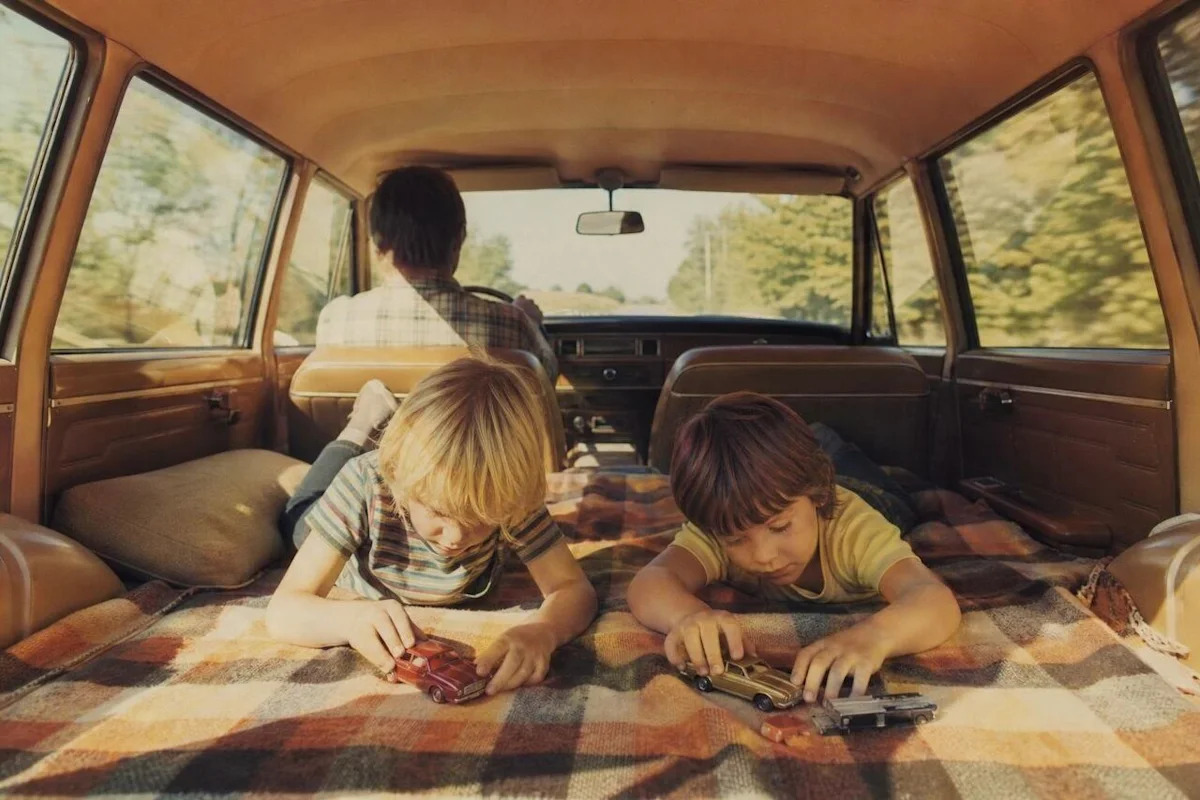
It was common for children to stretch out or even nap in the back or cargo area of station wagons during 1970s road trips. With seat belt use rarely enforced, the rear of the car became a makeshift lounge, complete with blankets, pillows, and toys. Kids enjoyed the freedom to move around, play games, or simply watch the scenery go by from a cozy spot, making the ride feel like part of the vacation itself.
Gas cost less than a dollar per gallon
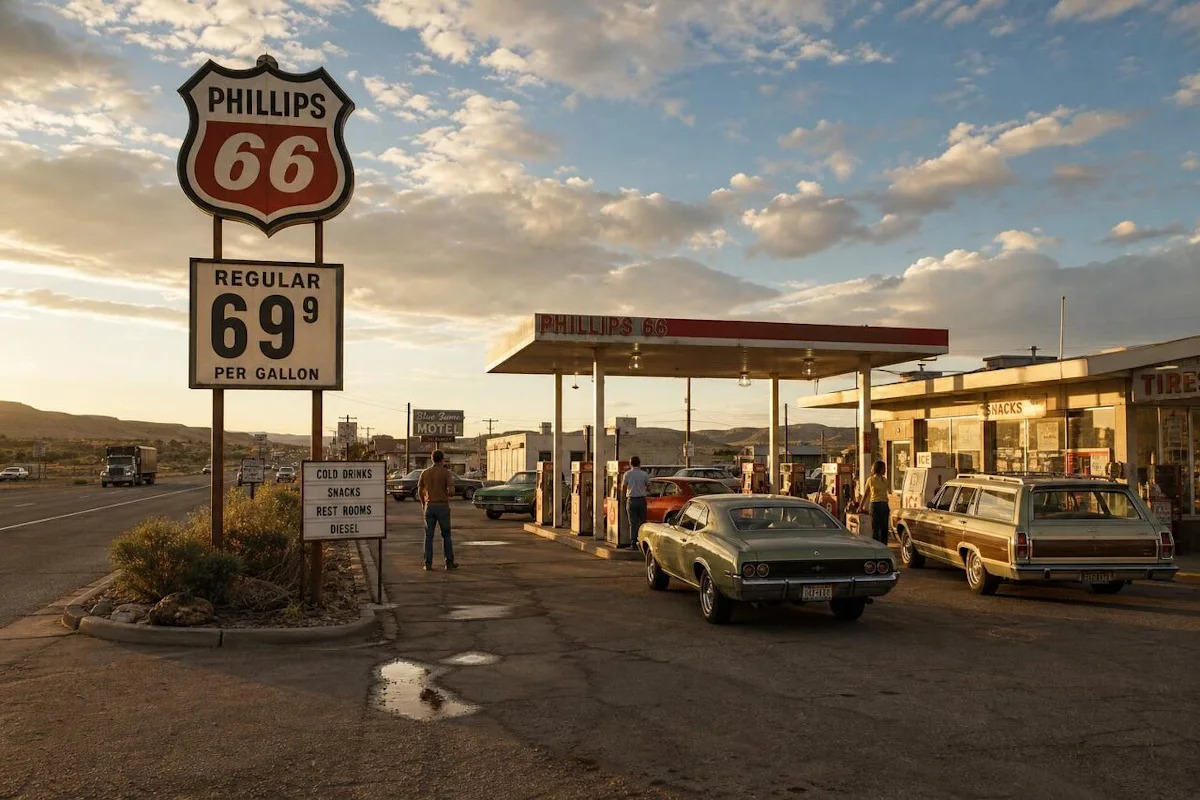
One of the perks of road tripping in the 1970s was the low cost of fuel. Gasoline often cost less than a dollar per gallon, making it affordable to travel long distances. Families could fill up the tank without worrying about breaking the bank, which encouraged spontaneous detours and ambitious cross-country adventures. These prices made the open road feel accessible for almost anyone looking for an escape.
Seat belts were rarely used by kids
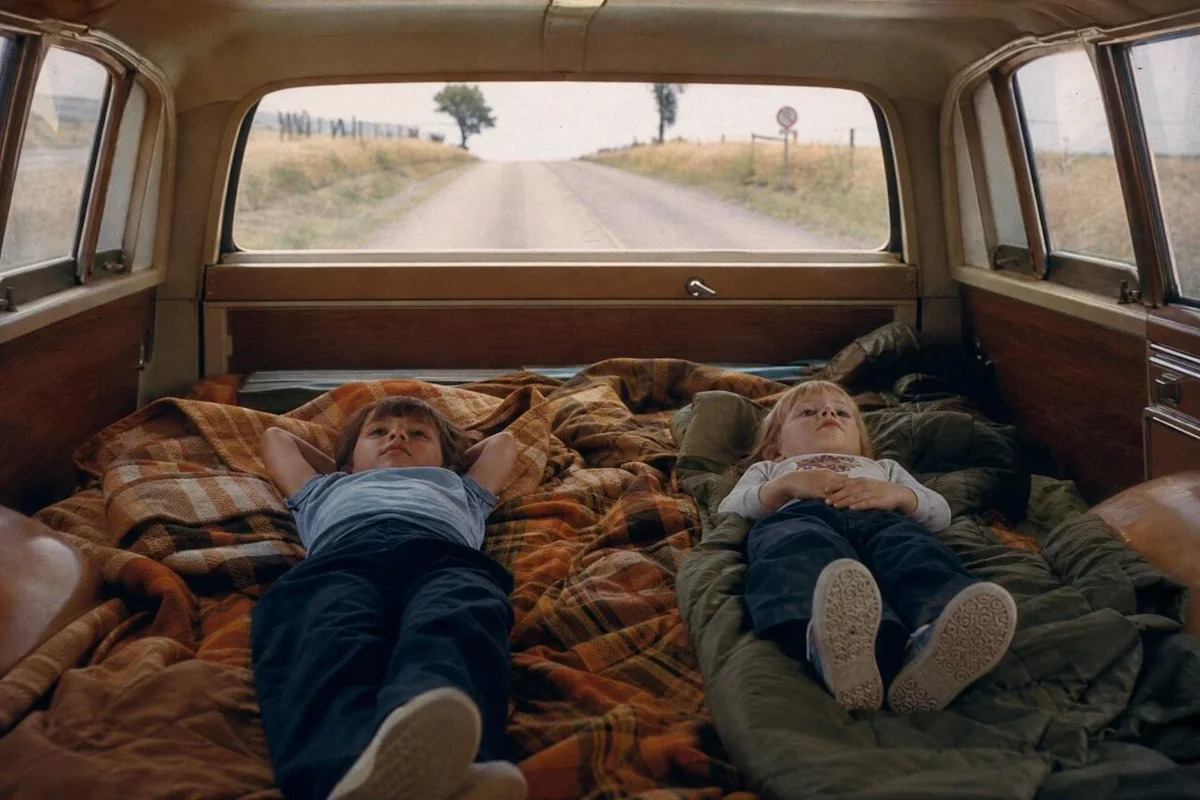
In the 1970s, seat belt laws were either lax or nonexistent, especially for kids. It was common for children to ride unrestrained, lounging in the back seat or even lying down in the cargo area of a station wagon. Parents rarely insisted on buckling up, and safety seats for young children were not yet standard. The focus was more on comfort and fun rather than the strict safety protocols we follow today.
Rolling down windows to cool off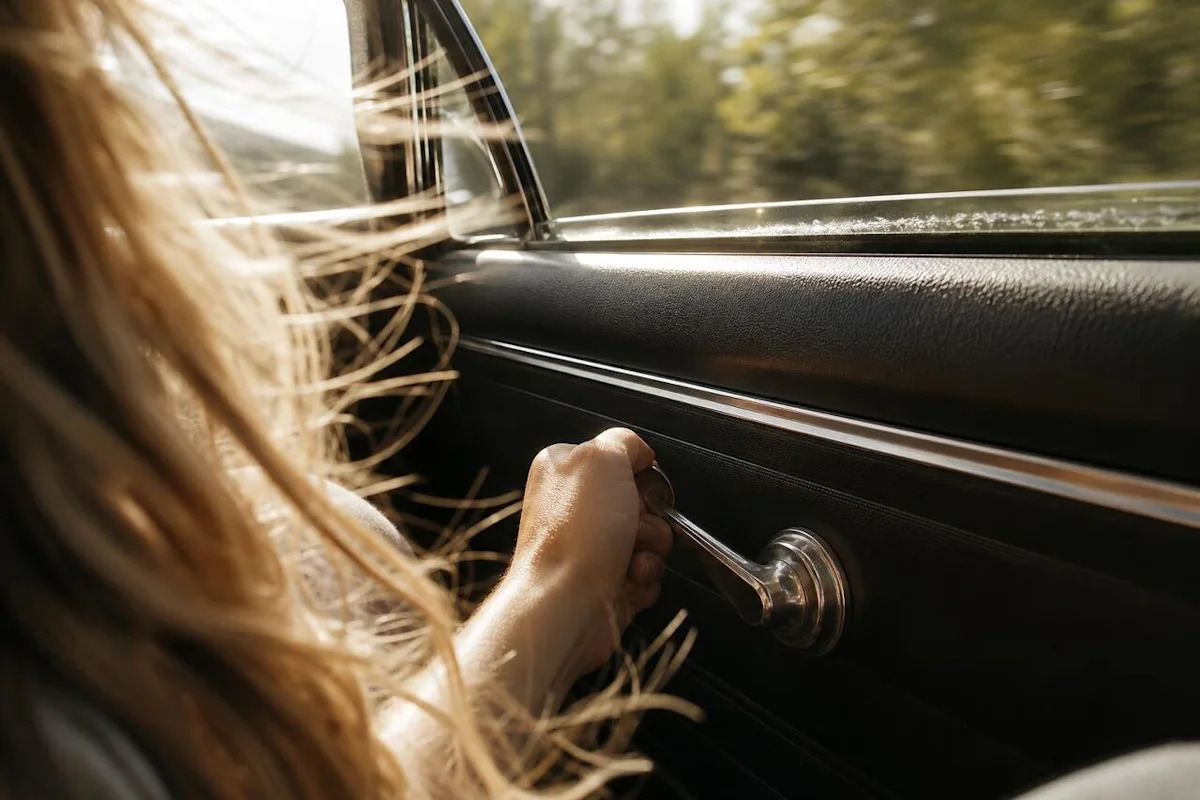
On hot days, the most reliable way to cool off on a road trip was simply to roll down the windows. The rush of air provided instant relief when air conditioning was missing or inadequate, and every passenger claimed their favorite spot for catching the breeze. The loud whoosh of wind became part of the soundtrack of summer travel, and the open windows helped everyone stay comfortable as the sun beat down on the highway.
No satellite radio or streaming options
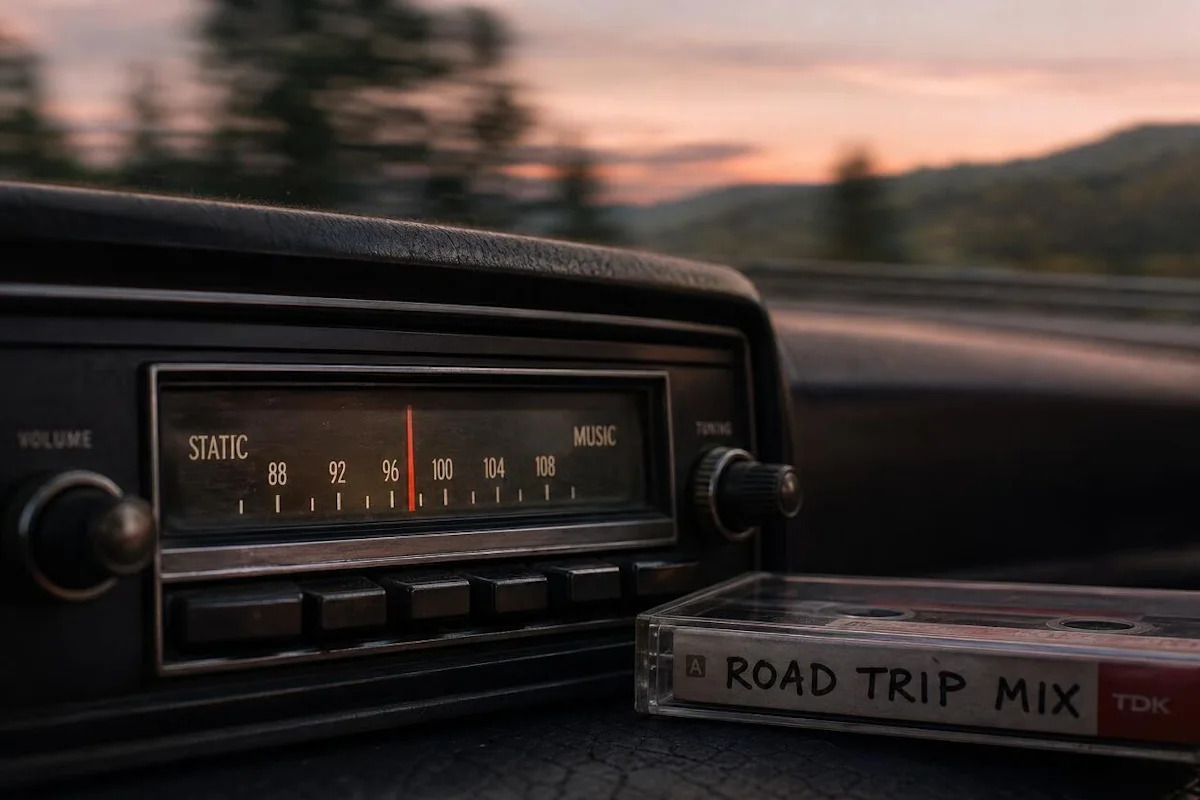
Music and talk radio on a 1970s road trip were limited to whatever AM or FM stations you could tune into as you traveled. There were no satellite radio channels or streaming music services to provide endless playlists. If you moved out of range, the static would set in, and you might have to wait for the next town to find another station. This made mixtapes and cassette collections especially prized on long drives.
Advertisement
Station wagons ruled the highways
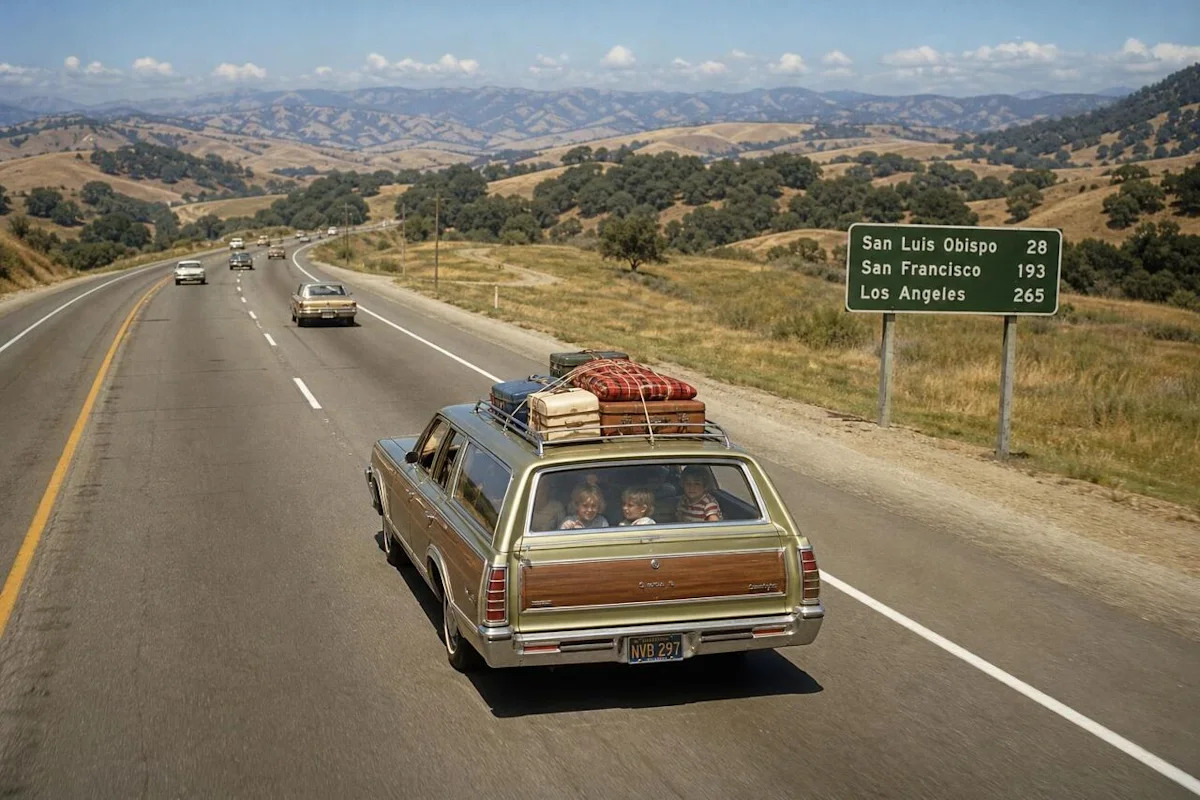
If you were hitting the road in the 1970s, chances are your family piled into a roomy station wagon like the Ford Country Squire or Chevrolet Caprice Estate. These vehicles were the go-to choice for long trips, with plenty of space for luggage, coolers, and even a few kids sprawled out in the back. The classic wood-paneled design and huge rear windows made these cars unmistakable on the highways, and they became an essential part of the classic American road trip experience.
Paper maps guided every mile
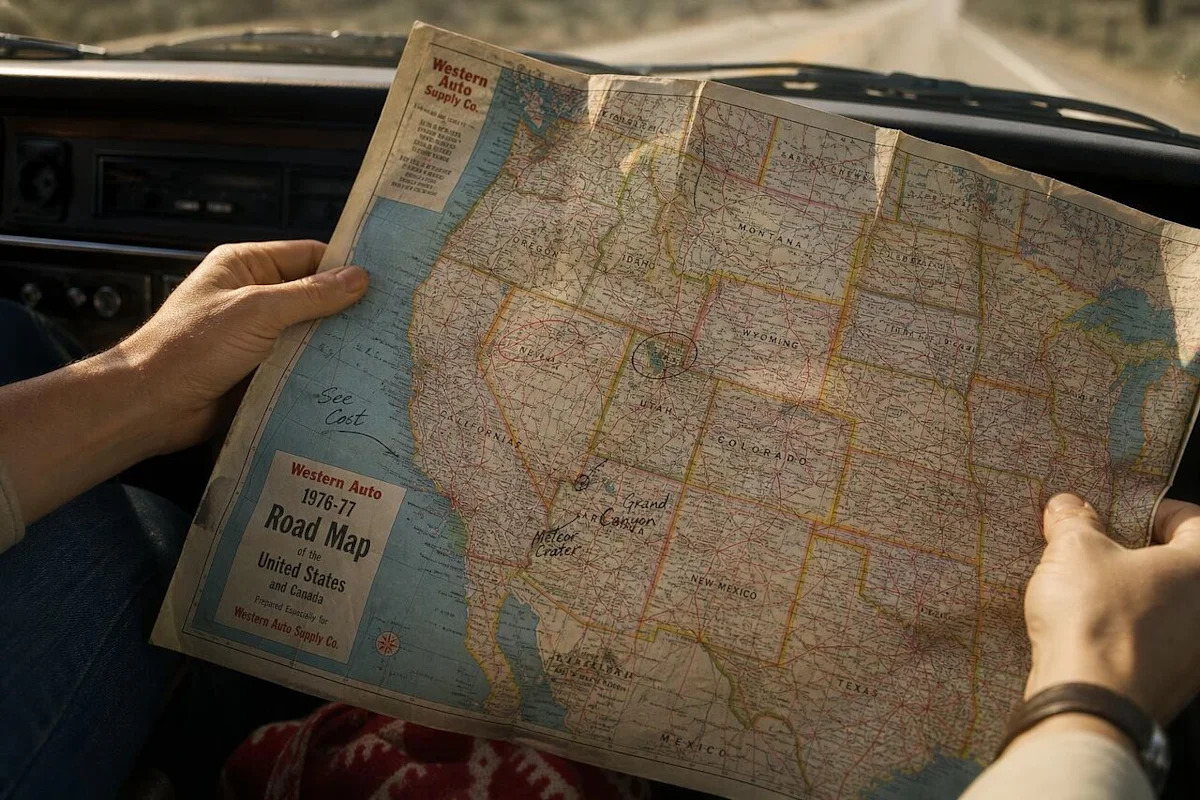
Before smartphones and GPS, road trippers in the 1970s relied on paper maps and bulky road atlases to chart their journeys. Parents would carefully unfold large maps across the dashboard, tracing routes and highlighting points of interest. Getting lost was part of the adventure, and wrong turns often led to unexpected discoveries. Navigating busy highways and forgotten backroads took a keen eye, a steady hand, and sometimes a healthy debate over which exit to take.
AM/FM radios and tape players for music
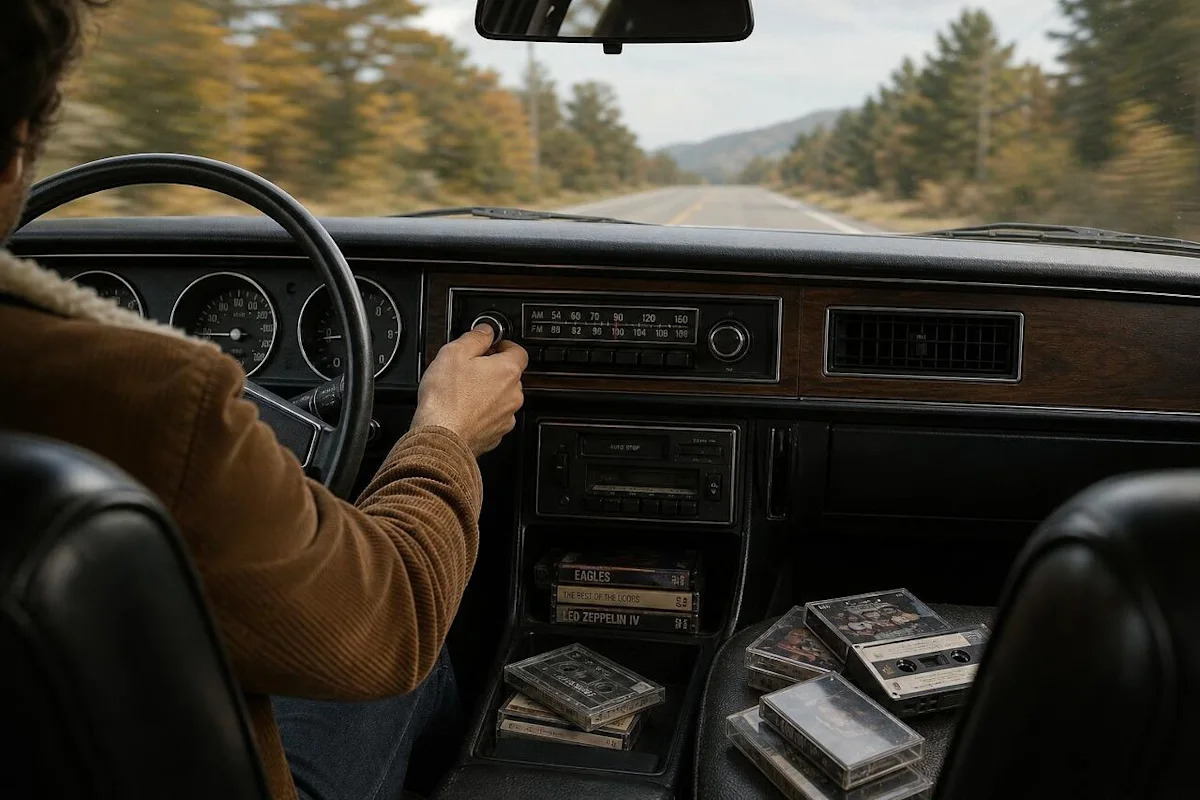
When it came to in-car entertainment, options were simple and analog. Families tuned into AM or FM radio stations, navigating through changing regional frequencies. While bulky 8-track cartridges dominated the highway for most of the decade, the smaller compact cassette player emerged as a prized feature by the late 1970s, introducing drivers to the magic of custom mixtapes.
No air conditioning in many cars
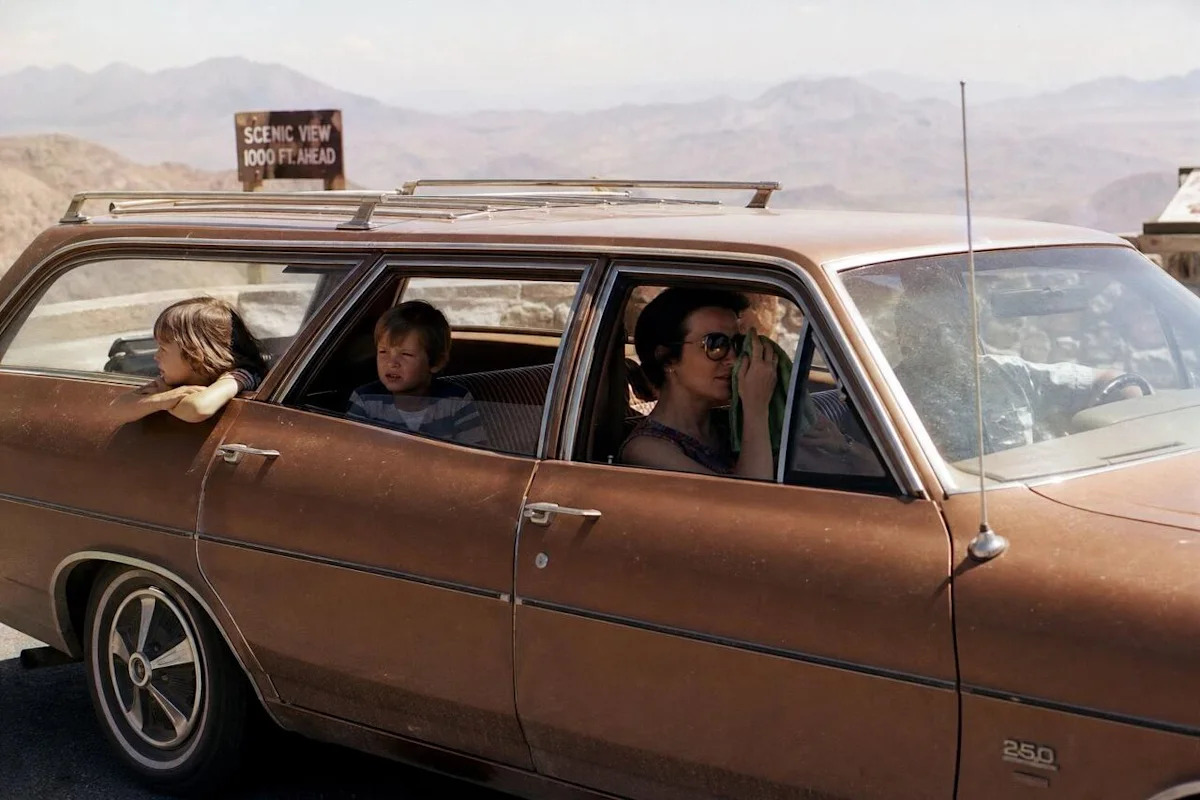
Air conditioning was a luxury not found in every car during the 1970s. On hot summer days, rolling down the windows and feeling the breeze was the main way to stay cool. Some families brought hand-held fans or damp washcloths for relief. The hum of the road mixed with the rush of air was a familiar soundscape, and the search for a shady parking spot at rest stops became an art form.
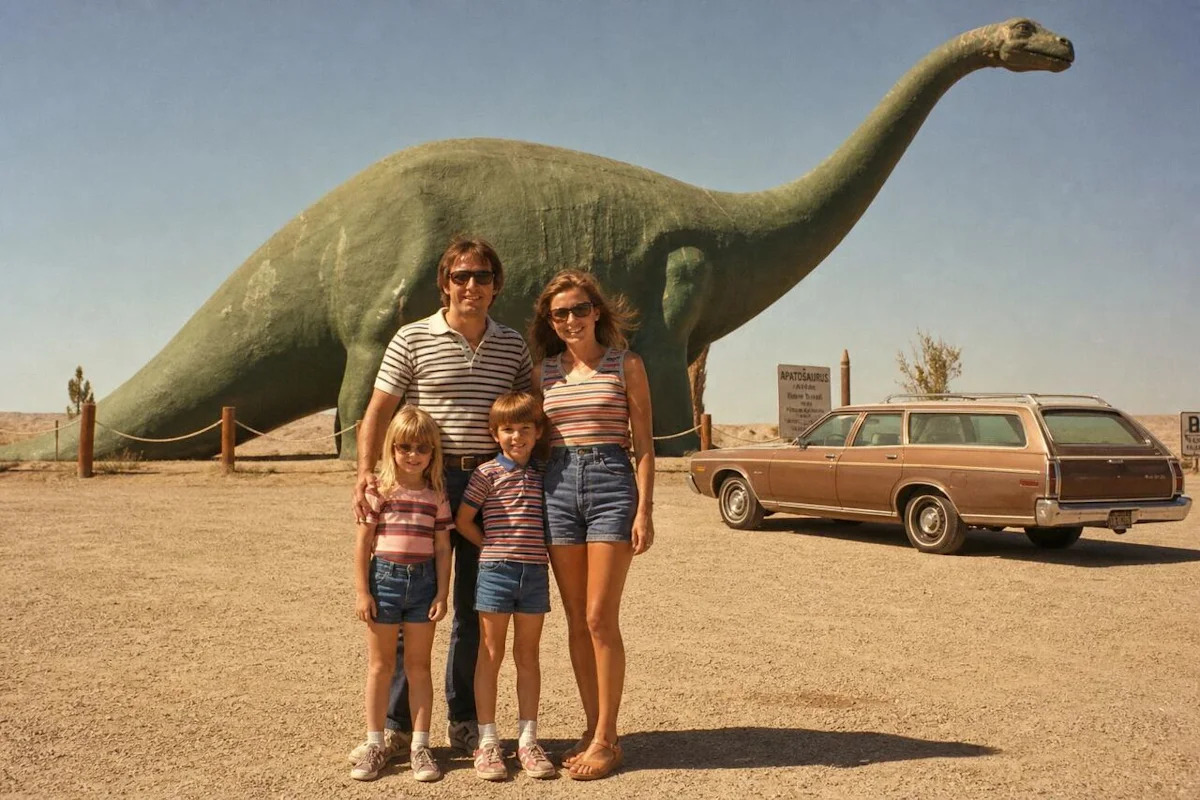
Giant statues and quirky roadside stops

Advertisement