
12 Nostalgic Dishes You Rarely See On Restaurant Menus Anymore
Advertisement
Remember those comfort foods that graced restaurant menus when we were kids? Many classic dishes that once dominated American dining have quietly disappeared from today’s trendy eateries.
These beloved recipes – from molded gelatin salads to creamy casseroles – have been replaced by small plates, fusion cuisine, and Instagram-worthy presentations.
Let’s take a delicious trip down memory lane to rediscover these vanishing culinary treasures!
1. Chicken à La King
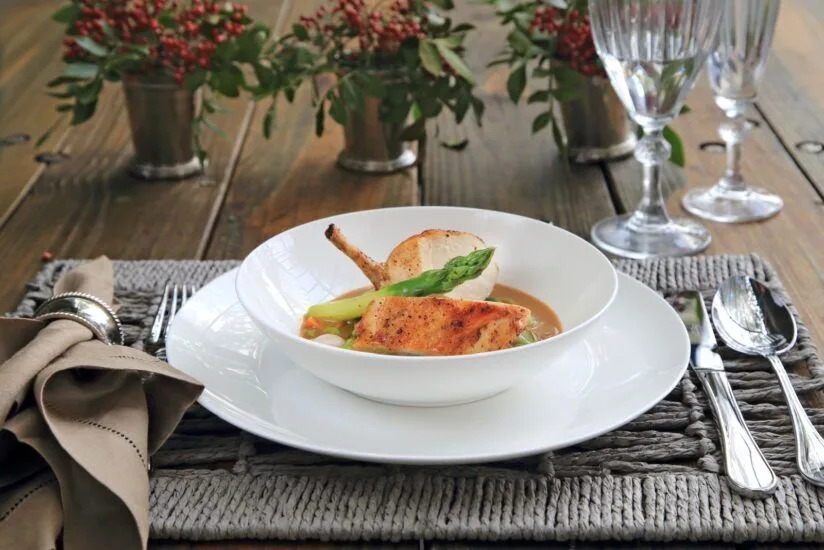
Creamy diced chicken served over toast points, rice, or puff pastry shells was once the pinnacle of elegant dining. The rich sauce – loaded with bell peppers, mushrooms, and sometimes peas – made this dish a staple at ladies’ luncheons and dinner parties.
Dating back to the early 1900s, this luxurious creation was named after either hotel owner E. Clark King II or chef George Greenwald’s boss, Mr. King. Whichever story you believe, this comforting classic deserves a comeback!
2. Salisbury Steak
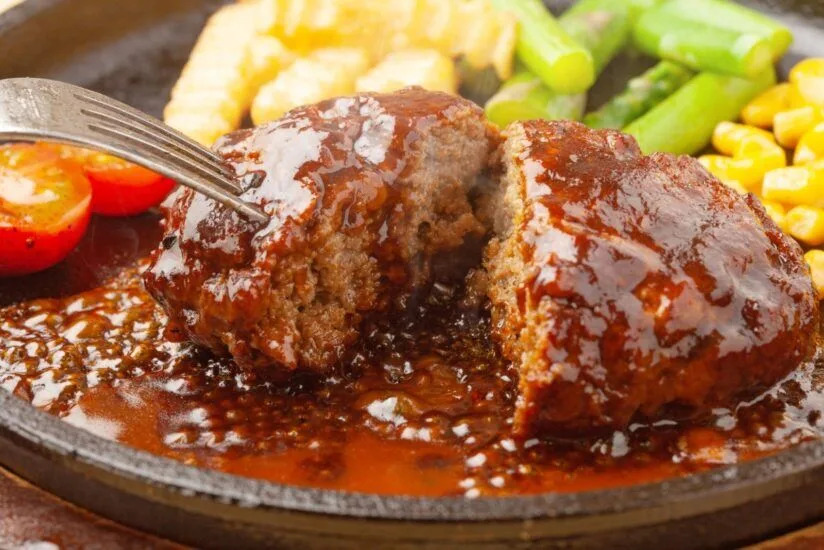
Not quite a hamburger, not quite meatloaf – this ground beef patty smothered in brown mushroom gravy once dominated TV dinner trays and diner menus across America. Named after Dr. James Salisbury, who believed minced beef could cure digestive problems, this dish reached peak popularity in the 1950s.
Served alongside mashed potatoes and green beans, Salisbury steak embodied comfort food before we even called it that. Now it’s mostly relegated to frozen dinner aisles and school cafeterias.
3. Liver And Onions
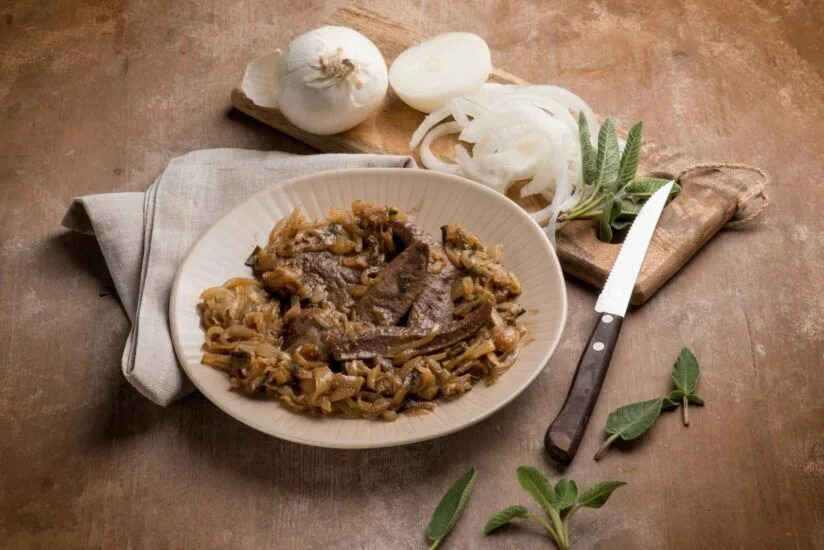
Once a standard offering at every family restaurant, this polarizing dish has largely vanished from modern menus. Thin slices of beef liver pan-fried until just pink inside, topped with caramelized onions and often bacon, created a mineral-rich meal that divided diners into devoted fans and staunch opponents.
Grandparents reminisce about this nutrient-packed dinner while younger generations wrinkle their noses. Health-conscious eaters might appreciate its comeback, though – liver contains more nutrients per ounce than almost any other food!
4. Aspic Salads
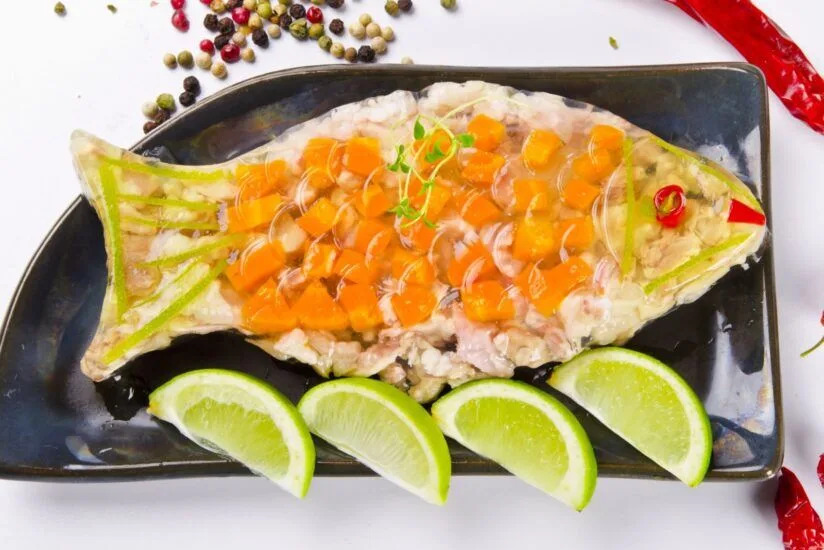
Behold the wobbling glory of savory gelatin molds! These jiggly creations showcased vegetables, meats, or seafood suspended in clear tomato or meat-flavored gelatin. Hostesses of the 1950s and 60s considered these showstoppers essential for impressive entertaining.
Magazine spreads featured elaborate aspic towers and rings, often garnished with mayonnaise rosettes. The labor-intensive process and changing tastes sent these quivering masterpieces into culinary exile. Modern diners generally prefer their vegetables un-jellied and their meats solid!
5. Waldorf Salad
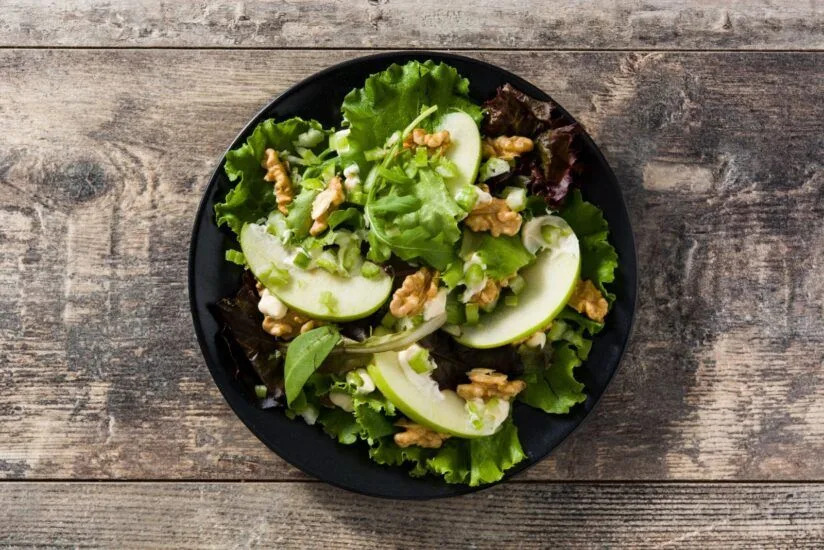
Born at New York’s Waldorf-Astoria Hotel in the 1890s, this crunchy mixture of apples, celery, walnuts, and grapes bound with mayonnaise was once the definition of sophisticated salad dining. Its simple preparation belied its status as a high-society staple.
Served on lettuce leaves and sometimes garnished with maraschino cherries, Waldorf salad graced countless luncheon menus. While still appearing occasionally at old-school steakhouses, this fruity, nutty concoction has largely surrendered to arugula and kale mixtures.
6. Beef Stroganoff
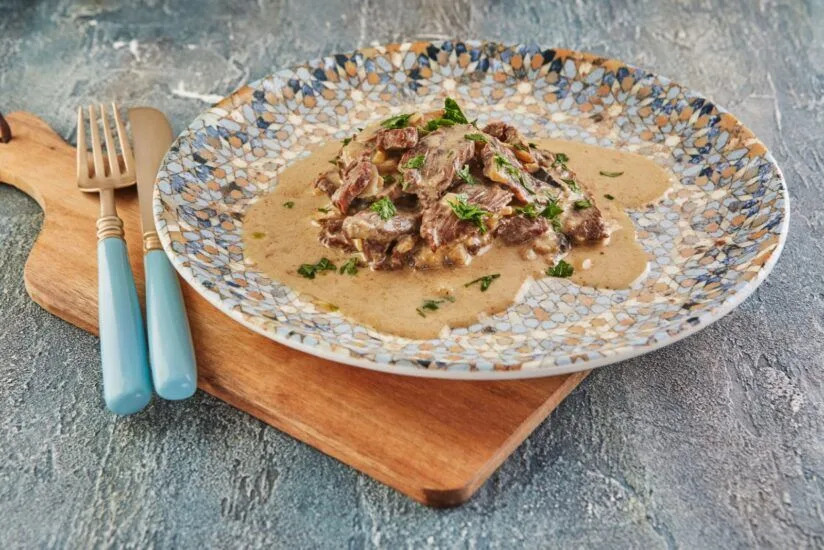
Tender strips of beef swimming in a sour cream-enriched sauce alongside mushrooms and onions – this Russian import conquered American restaurants in the mid-20th century. Ladled over egg noodles, the creamy, tangy dish represented continental sophistication for middle-class diners.
Advertisement
Named after a member of Russia’s influential Stroganov family, this hearty comfort food became a dinner party favorite. While home cooks still prepare versions (often with cream of mushroom shortcuts), finding authentic stroganoff in restaurants has become increasingly challenging.
7. Tuna Noodle Casserole
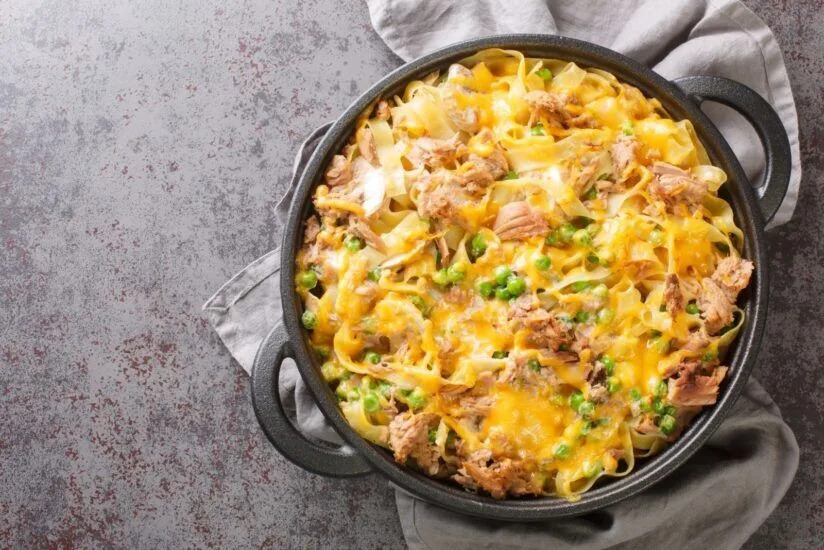
The ultimate budget-friendly comfort food combined canned tuna, cream of mushroom soup, peas, and egg noodles under a crispy topping of crushed potato chips or breadcrumbs. This humble casserole powered countless family dinners and church potlucks throughout mid-century America.
Home economics teachers championed its affordability and nutrition. Restaurant chefs, however, rarely embraced this homey creation. Now even diners and cafeterias have largely abandoned this once-ubiquitous dish, despite its nostalgic appeal to Baby Boomers and Gen Xers.
8. Creamed Chipped Beef
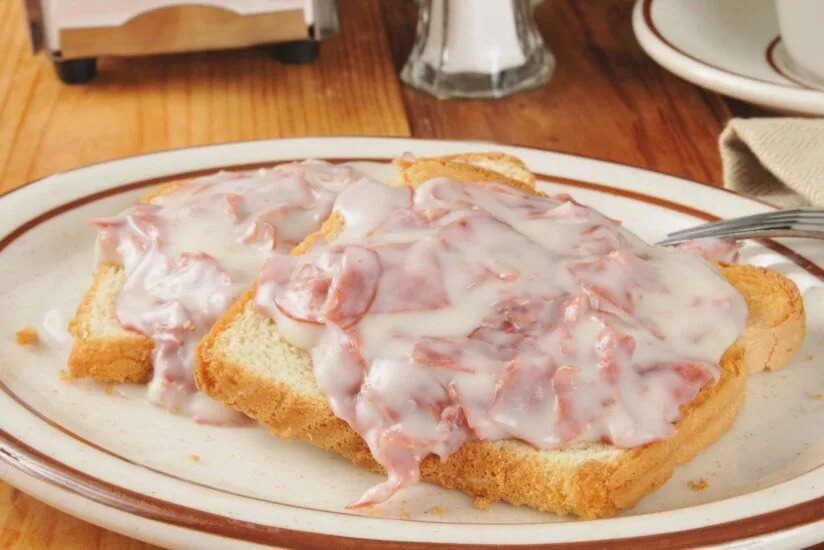
Affectionately (or not-so-affectionately) nicknamed “S.O.S.” by military personnel, this simple dish of dried beef in white sauce poured over toast was a staple of military mess halls, diners, and home kitchens for generations. The salty, creamy concoction provided affordable protein during wartime rationing.
Veterans returned home with a taste for this humble meal. Once featured on breakfast and lunch menus nationwide, creamed chipped beef has retreated to the occasional military-themed restaurant and rural diners in regions where its nostalgic pull remains strong.
9. Baked Alaska
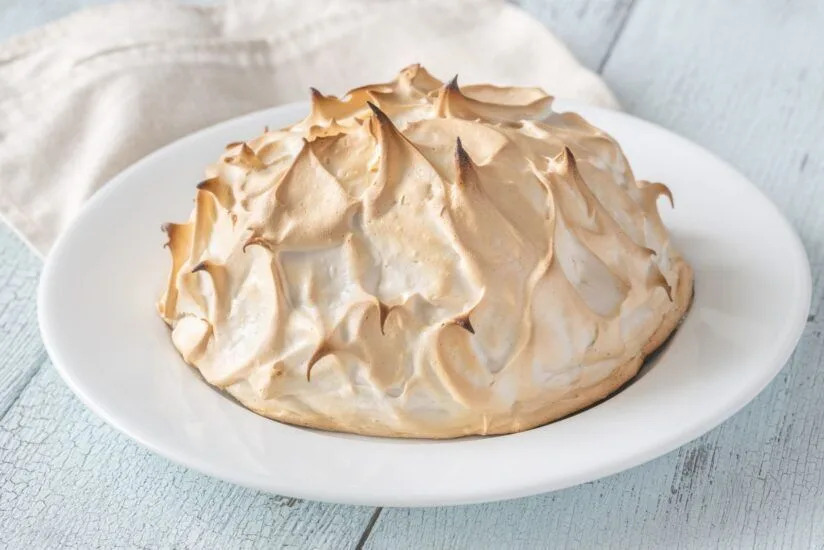
The tableside spectacle of ice cream encased in meringue, set aflame with liqueur created unforgettable dinner finales. This showstopping dessert – ice cream and cake covered in torched meringue – demonstrated a restaurant’s culinary prowess and flair for dramatic presentation.
Named to commemorate the 1867 Alaska Purchase, this technical marvel challenged pastry chefs who had to prevent the ice cream from melting. Modern restaurants rarely attempt this labor-intensive dessert, though some upscale establishments offer deconstructed versions for nostalgic diners.
10. Jell-O Molds
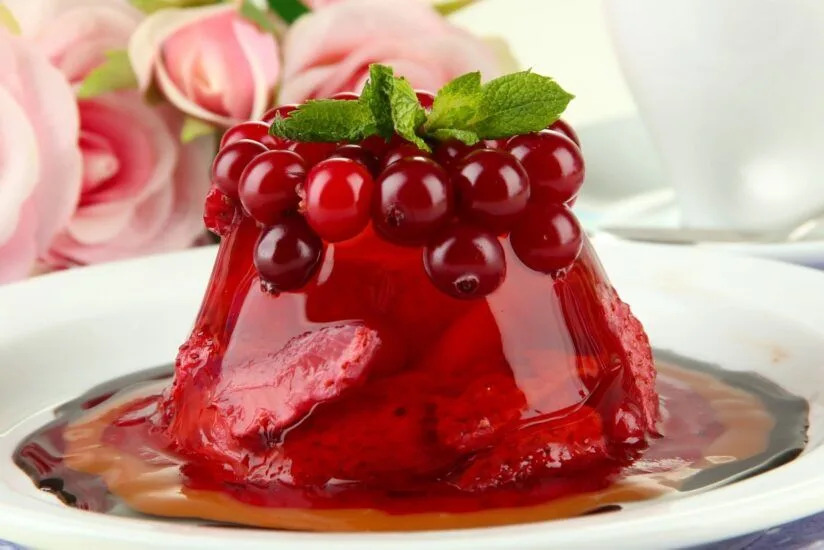
Bright, jewel-toned gelatin studded with fruit cocktail, marshmallows, or even vegetables defined mid-century dessert tables. These wiggly wonders came in elaborate shapes from copper molds – rings, fish, stars – and often featured suspended fruit in perfect formation.
Jell-O’s marketing campaigns convinced homemakers that these colorful creations were both modern and elegant. While still appearing at some family gatherings, these sweet, jiggly treats have vanished from restaurant dessert menus, replaced by crème brûlée, molten chocolate cake, and other sophisticated finales.
11. Ambrosia Salad
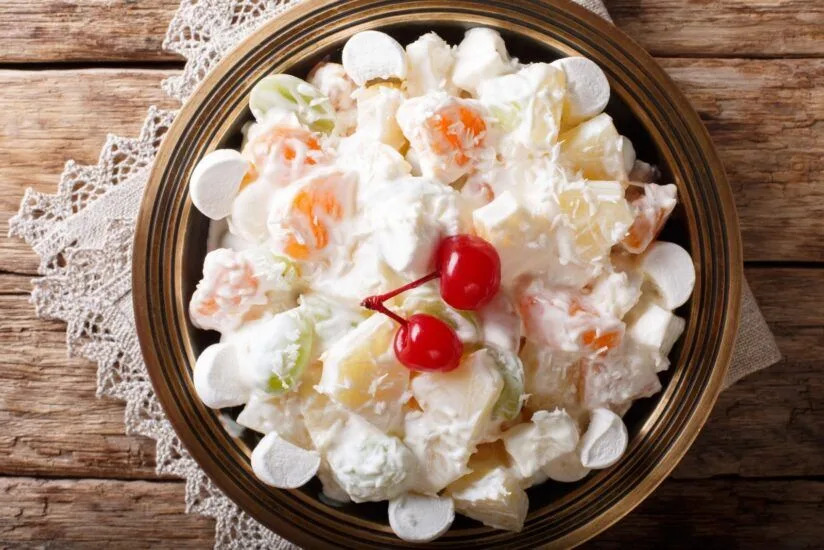
The fluffy mixture of canned mandarin oranges, pineapple chunks, coconut, mini marshmallows, and whipped cream once claimed prime real estate on restaurant salad bars nationwide. This sweet, cloud-like concoction blurred the line between salad and dessert.
Named after the food of Greek gods, ambrosia appeared at holiday meals and special occasions. Modern diners seeking lighter, less processed options have turned away from this sugary favorite. Today, you’re more likely to find it at family reunions than on restaurant menus.
12. Stuffed Bell Peppers
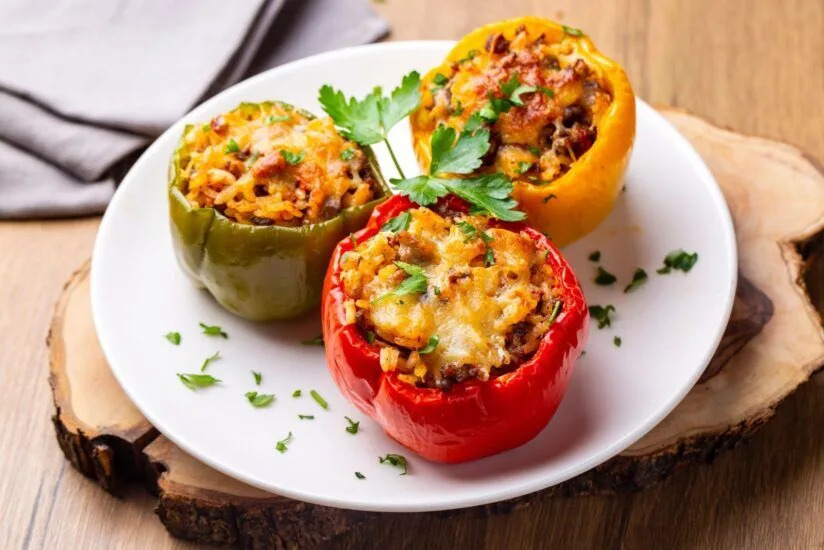
Hollowed-out green bell peppers filled with seasoned ground beef, rice, tomato sauce, and topped with melted cheese created colorful dinner plates across America. These self-contained meal packages baked until the peppers softened, creating an edible vessel for the savory filling.
Home cooks treasured this economical, make-ahead dish that stretched meat with rice. Restaurant chefs once featured these on blue plate specials and daily menus. Modern interpretations occasionally surface with quinoa or plant-based fillings, but the classic version has largely disappeared from commercial kitchens.

Advertisement